
Morocco itinerary planning · updated 2026

Morocco Itinerary: How to Plan the Perfect Trip [2026]
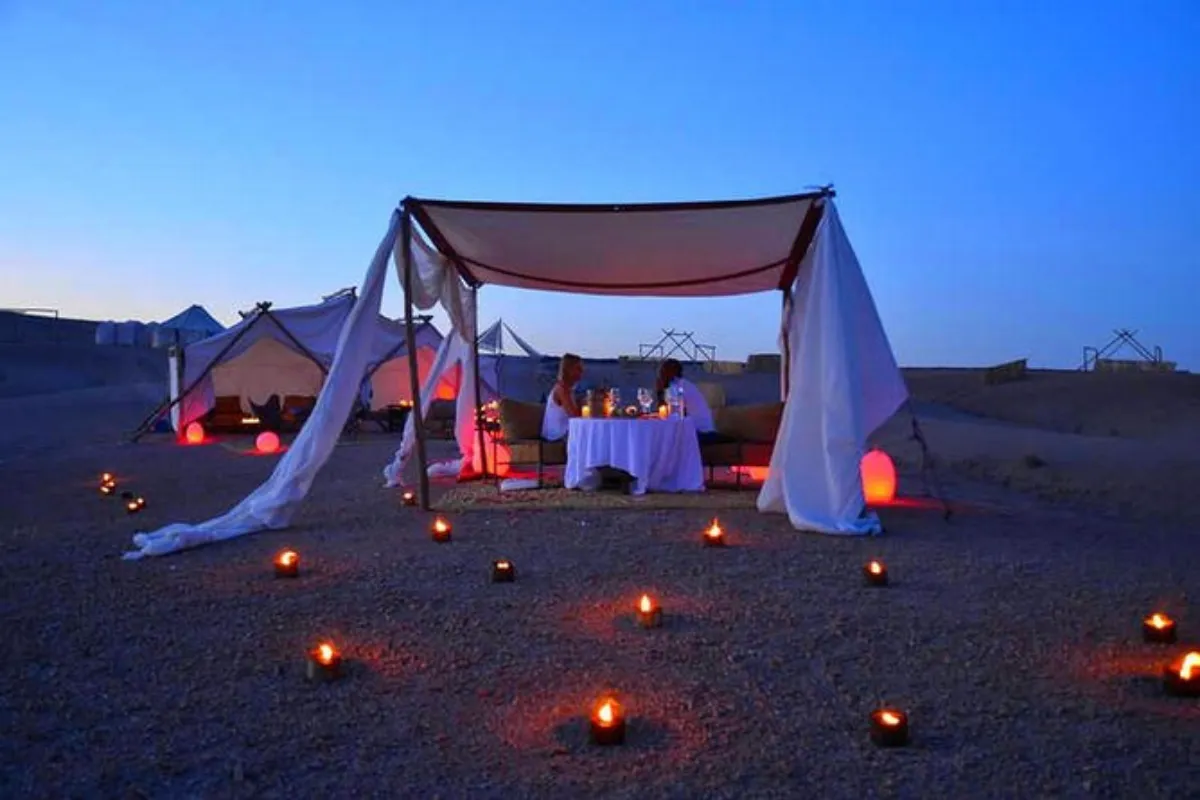
A Morocco itinerary works best when the route matches your arrival city, number of nights, travel pace and must-do experiences. This guide shows you how to connect Morocco’s cities, Sahara, mountains and coast without turning the trip into a checklist of long transfers.
18–22 minute read
5 / 7 / 10 / 14-day planning
Cities · Sahara · Mountains · Coast
Morocco itinerary through cities, mountains and the Sahara Desert
A good Morocco itinerary balances destinations, travel time and enough nights in each place.

IN THIS GUIDE

Want a route built around you?

Share your dates, arrival city, interests and preferred pace. Tiziri Travel can shape the route before you book the trip.

The simplest way to plan a Morocco itinerary

Start with the route, not the attraction list. Fix the airports, count the nights you can actually use, choose the experiences that matter most, then check the transfers between them.

Fix the airports

Arrival and departure cities decide whether the trip can move in one direction or forces you to backtrack.

Count real nights

A late arrival and an early departure are not full sightseeing days. Plan from usable nights, not only calendar dates.

Choose priorities

Pick the two or three experiences you would regret missing. Those become the backbone of the route.

Check every transfer

A destination should justify the travel time required to reach it, experience it and move on.

Morocco Itinerary: The Short Answer

A good Morocco itinerary connects experiences without unnecessary backtracking. For most first trips, that means choosing two or three major priorities, protecting enough nights in the places that matter, and accepting that the Sahara, Chefchaouen and the Atlantic coast cannot all be squeezed into every short route.

The right plan depends on four things: how many nights you have, where you arrive and depart, how comfortable you are with long travel days, and what you actually want from Morocco. A traveler focused on medinas and food needs a different route from someone whose main goal is the Sahara or the Atlas Mountains.

Use this page as the broad planning hub. The dedicated 7-day, 10-day and 14-day Morocco itineraries go deeper into specific day-by-day routes.

Planning principle

A better Morocco itinerary usually comes from removing one unnecessary stop, not adding one more.
Start with structure

Build the Route Before You Build the Checklist

Marrakech, Fes, Chefchaouen, the Sahara and Essaouira can all look close enough on a map. What the map hides is hotel changes, mountain roads, airport transfers, desert travel, luggage logistics and the difference between spending two nights somewhere and having two full days there.

That is why route logic should come before the attraction list. If the Sahara is the emotional center of your trip, protect the days needed to reach it and connect it logically with Marrakech or Fes. If you care more about medinas, crafts and food, give Marrakech and Fes deeper stays and let the desert go. If you want a slower coastal break, Essaouira should be a real stay rather than an afterthought.

01 · Airports

Your arrival and departure cities determine whether the route can move forward or has to reverse.

02 · Nights

Two nights usually create one meaningful full day. One-night stays should be exceptions, not the default.

03 · Priorities

Choose the experiences that define the trip before you choose every city.

04 · Transfers

Every extra stop needs enough value to justify the travel time it adds.
Marrakech medina architecture in Morocco
Marrakech can be a starting city, a cultural base or a gateway to southern Morocco.

Start with the country overview

If you are still deciding which regions matter most, use the Morocco Travel Guide and Best Places to Visit in Morocco before locking the route.
Step 01 · choose the trip length

How Many Days Should Your Morocco Itinerary Be?

Trip length changes the route more than any other planning decision. A five-day trip should stay focused. Seven days can support one connected journey. Ten days gives many first-time visitors enough room for two major cultural bases plus a contrasting region. Two weeks lets you slow down instead of simply adding more hotels.

If you are still choosing the duration itself, use the dedicated How Many Days in Morocco? guide. Once the number of nights is fixed, use the frameworks below to organize them.

5 Days

Best for one focused region: Marrakech + nearby experiences, Fes + northern Morocco, or a compact city-and-coast trip.

7 Days

Enough for one connected route. A common approach is Marrakech → southeast → Sahara → Fes.

10 Days

A balanced first-trip length with room for two major cities plus desert, coast or northern Morocco.

14 Days

Best for a broader circuit with more two-night stays and less pressure to rush between regions.

Do not fill every extra day with another destination

A two-week route with six bases can feel richer than a two-week route with ten hotel changes. Extra days are often best spent making the important places deeper.
Step 02 · choose the starting city

Your Starting City Changes the Entire Morocco Route

A Morocco itinerary that begins in Marrakech solves a different planning problem from one that starts in Casablanca, Fes or Tangier. The best starting city is the one that supports your flights and lets the route move naturally toward the places you care about.

Marrakech

Best when your priorities include the medina, Atlas Mountains, Aït Ben Haddou, valleys, Sahara routes or Essaouira.

Casablanca

A practical international gateway for routes through Rabat and Fes, or for travelers finishing or starting with a major flight connection.

Fes

Strong for deep medina time, Volubilis and Meknes, northern Morocco, or a southbound route toward Merzouga.

Tangier

Useful for a northern route through Chefchaouen and Fes, especially when the trip is less focused on southern Morocco.

Route-saving idea

If the flights make sense, arriving in one city and departing from another can remove a full backtracking day. Compare open-jaw flights before assuming you must return to the city where you started.
Step 03 · decide what deserves time

Choose the Experiences Before You Choose Every Stop

The purpose of a Morocco itinerary is not to collect city names. It is to connect experiences. Decide what you want the trip to feel like, then choose the places that deliver those experiences without breaking the route.

Medinas & city life

Marrakech and Fes are the obvious cultural anchors, but they reward real time rather than rushed half-days.

Sahara & southeast

Merzouga should usually be treated as part of a multi-day southeastern journey, not an isolated overnight.

Atlas Mountains

The Atlas can be a day trip, a trekking destination or part of the road toward Ouarzazate. Decide which role it plays.

Atlantic coast

Essaouira creates a slower contrast to inland Morocco. Agadir and Taghazout suit different travel styles.

Northern Morocco

Tangier, Chefchaouen and Fes connect more naturally with one another than with a short Marrakech-heavy route.

Food, crafts & local pace

Leave space for markets, workshops, cooking, cafés and wandering. A trip made only of transfers and headline attractions feels thin.
Sahara dunes near Merzouga on a 7 day Morocco itinerary
The Sahara is a route decision, not a rushed photo stop.

Need destination inspiration first?

Use Things to Do in Morocco for experiences and Best Places to Visit in Morocco for destination comparison. This itinerary guide should own the question: how do I connect the places?
Step 04 · choose a route framework

Three Morocco Itinerary Frameworks That Actually Make Sense

These are not fixed packages. They are route frameworks showing how to move through Morocco without unnecessary backtracking. Use the dedicated day-by-day articles when you want the exact version.

7-Day Morocco Itinerary

Focused one-way route · Marrakech → Sahara → Fes

Days 1–2

Marrakech

Arrive, recover and give the medina a real day instead of leaving immediately.

Days 3–4

High Atlas → Aït Ben Haddou → Dades / Todra

Make the southeastern road part of the experience rather than treating it as dead transfer time.

Day 5

Merzouga / Sahara

Reach the desert with enough daylight for the experience you booked.

Days 6–7

Travel north → Fes

Use Fes as the final cultural anchor and protect the departure connection.

10-Day Morocco Itinerary

Balanced first trip · cities + Sahara + breathing room

Days 1–3

Marrakech

Two to three nights create space for arrival recovery, medina time and one optional nearby experience.

Days 4–5

Atlas, Aït Ben Haddou & valleys

Slow the drive enough to experience the landscape and break the distance sensibly.

Day 6

Merzouga

Use the Sahara as a destination, not just a bed for the night.

Days 7–9

Fes

Accept the long Merzouga–Fes travel day, then protect meaningful time in the city.

Day 10

Departure connection

Do not pretend the airport transfer is free time.

14-Day Morocco Itinerary

Deeper circuit · slower pace + optional north or coast

Days 1–3

Marrakech

Three nights let the city feel like a place rather than a checkpoint.

Days 4–7

Southeast + Sahara

Give the High Atlas, kasbah landscapes, valleys and Merzouga several nights.

Days 8–10

Fes + heritage

Spend real time in Fes and add Meknes or Volubilis only if they match your interests.

Days 11–12

Chefchaouen or Essaouira

Choose north or coast according to route logic instead of forcing both.

Days 13–14

Final base + departure buffer

Finish near the departure airport and leave some resilience in the route.
Route depth

How Many Nights Should You Give Each Place?

A useful Morocco travel itinerary becomes easier to judge when you stop counting destinations and start counting nights. Two nights usually create one meaningful full day. One-night stays are sometimes necessary along a long road route, but they should not become the default.

Marrakech · 2–3 nights

Arrival recovery, medina time, food, architecture and optional nearby experiences.

Fes · 2 nights

One meaningful medina day plus enough room for arrival and departure logistics.

Chefchaouen · 1–2 nights

One night for a tighter northern route; two when you want the town after day visitors leave.

Essaouira · 1–2 nights

Enough time to experience the coast beyond a same-day return drive from Marrakech.

Sahara / southeast · 2–4 nights total

The desert experience includes the road, valleys, gorges and overnight logistics.

Casablanca / Rabat · 1–2 nights

The right amount depends on flights and whether these cities are priorities or route anchors.
Fes medina stop on a 10 day Morocco route
Fes rewards enough time for a full medina day rather than a rushed stop.
Step 05 · match transport to the route

Transportation Can Make or Break a Morocco Itinerary

Choosing transport after choosing every destination is backwards. The transport network should influence the route from the beginning. Use trains where major cities connect easily, road transport where the geography demands it, and combine modes instead of forcing one solution across the whole country.

Rail is useful for major city-to-city segments. Road transport becomes more important for Chefchaouen, Essaouira, the Atlas Mountains, Aït Ben Haddou, valleys and the Sahara. A private driver can simplify a route with many scenic stops; a rental car gives independence but also adds navigation and parking responsibility.

Train

Best when both cities sit on the rail corridor and you want a simple city-to-city transfer.

Coach

Useful for point-to-point routes without rail access when you do not need sightseeing stops.

Rental car

Best for confident independent travelers who value flexibility more than simplicity.

Private driver

Most useful when the journey itself contains scenic stops, rural areas, family logistics or multiple hotel changes.

Read the full transport guide

Getting Around Morocco compares trains, coaches, taxis, rental cars and private drivers in more detail, including the Sahara and Atlas logistics.
Airport logic

Use Arrival and Departure Airports to Remove Backtracking

One of the easiest ways to improve a Morocco itinerary is to compare flights before locking the route. A return ticket to the same city can be convenient, but it can also force a long reverse journey at the end.

If a route starts in Marrakech, crosses the southeast and finishes in Fes, a Fes departure can make the itinerary cleaner. If the international flight leaves from Casablanca, the connection to Casablanca becomes a real travel segment. The same logic applies in the north: Tangier → Chefchaouen → Fes → Casablanca can work well when the flights support it.

Arrival times matter too. A 9:00 p.m. landing is not a sightseeing day. An 8:00 a.m. departure effectively removes the final morning. Build the route around usable time, not the date labels on the ticket.

Simple route test

Write the trip as airport → nights → transfer → nights → transfer → airport. If the last line contains a long reverse journey only to catch the flight, compare another departure city before accepting it.
Travel style

Change the Route to Match the Way You Travel

Two travelers with the same ten days can need completely different itineraries. Use sample routes as a skeleton, then adjust the nights and regions to the way you actually want to travel.

First-time visitors

A balanced route can combine one major medina city, the southeast / Sahara and a second cultural base.

Couples

Fewer bases, stronger accommodation, food and atmosphere often feel better than a route built around daily departures.

Families

Reduce consecutive long driving days, choose easy pickups and protect two-night stays after major transfers.

Culture-focused travelers

Medina walks, crafts, markets and local guides need time. Do not schedule every sunrise in a different city.

Adventure-focused travelers

If trekking, surfing or desert activities are the priority, reduce city time instead of adding adventure on top of a full route.

Slow travelers

Use extra days to deepen places you already chose rather than turning every free night into another hotel change.
Step 06 · adjust for the season

The Same Morocco Itinerary Does Not Work Equally Well Every Month

Morocco includes Atlantic coast, mountains, inland cities and Saharan environments, so season should influence the route, not only the packing list. Spring and fall make broad multi-region travel easier for many visitors. Summer can still work, but very hot inland and desert areas need a different daily rhythm. Winter can be excellent for city travel and southern Morocco, while mountain routes and desert nights can be cold.

Spring

Strong for mixed city, mountain and desert routes with generally comfortable planning conditions.

Summer

Consider more coast, north or higher elevations if you want to reduce exposure to intense inland heat.

Autumn

Another strong multi-region season, especially for travelers balancing cities, road trips and desert time.

Winter

Good for many city and southern routes, but account for cold nights and possible mountain-weather constraints.

Use the seasonal planning hub

Best Time to Visit Morocco should own the broad question of when to travel. Use this itinerary guide to adjust the route after the month is chosen.
Budget & value

Build the Budget Around the Route, Not Only the Hotel

The same number of days can produce very different trip costs depending on transport, hotel style, private guiding, desert logistics and the number of long road segments. A cheaper hotel does not automatically make a complicated itinerary inexpensive if the route requires many private transfers.

Start by deciding the travel style, then price the route as a whole: accommodation, intercity transport, local transfers, guided experiences, desert logistics, meals and the activities that genuinely matter to you.

Budget-led

Fewer private transfers, simple accommodation and public transport where it fits the route.

Mid-range

Comfortable riads and hotels with a mix of public transport, selected guides and road transfers.

Private / tailor-made

More door-to-door transport and route flexibility, especially across rural or desert segments.

Luxury

Higher accommodation standards, private logistics and more flexibility, but still best when the route itself stays realistic.

See the dedicated cost guide

Morocco Trip Cost breaks down the planning ranges and cost drivers without turning this itinerary page into a pricing article.
Pace & accommodation

Protect Two-Night Stays and Leave Breathing Room

A hidden source of itinerary fatigue is the one-night stay: arrive late, unpack, sleep, eat breakfast, pack again and leave. Do that repeatedly and the route may look diverse while the actual experience becomes mostly logistics.

Protect two-night stays where the place matters. If Marrakech, Fes, Chefchaouen or Essaouira is one of the reasons you are traveling, give it enough nights to contain a full day. If the desert is the highlight, remember that one camp night still uses travel time before and after it.

Also leave at least one flexible half-day on trips longer than a week. It can absorb a delay, become shopping time, turn into a hammam or food experience, or simply give you a break. Flexibility is not under-planning; it is part of making the itinerary resilient.

Essaouira Atlantic coast and medina in Morocco
Essaouira is useful when you want the itinerary to slow down after inland travel.

Accommodation location also affects the route

A riad deep inside a medina can create a memorable stay but changes pickup logistics. A hotel outside the medina may simplify an early road departure. Plan the stay and transport together.
Avoid these planning errors

7 Morocco Itinerary Mistakes That Create a Rushed Trip

Most bad Morocco itineraries do not fail because the traveler chose the wrong city. They fail because the route ignores geography, transfers and recovery time.

1. Planning by pins instead of nights

A place can fit on a map without fitting comfortably into the number of nights available.

2. Treating Merzouga like a Marrakech day trip

The Sahara route needs real travel time and should be planned as a multi-day journey.

3. Returning to the starting city unnecessarily

Open-jaw flights or a different departure city can remove a full backtracking day.

4. Making one-night stays the default

Hotel changes consume more time and energy than the itinerary spreadsheet suggests.

5. Adding Chefchaouen to a short southern route

Chefchaouen fits naturally with Tangier and Fes, not as a random detour from Marrakech.

6. Giving every famous city equal time

Your itinerary should reflect your interests. Another traveler’s must-see can be optional for you.

7. Leaving zero unscheduled time

A trip with no empty hours has no room for delays, longer meals, markets or rest.
Local planning note

A Good Morocco Route Should Be Reviewable Before You Book

Tiziri Travel’s planning process starts with dates, travelers, arrival and departure cities, interests and preferred pace, then turns those details into a proposed route that can be reviewed and refined before confirmation.

That is useful even if you are planning independently. Write the itinerary as nights and transfer days, not only attractions. If the route feels exhausting on paper, it will usually feel more exhausting with luggage and real check-in times.

Local planning checklist

  • Confirm arrival and departure airports.
  • Count usable nights, not only calendar dates.
  • Mark the longest road days.
  • Protect two-night stays in priority places.
  • Check what needs advance booking and what can stay flexible.
Ait Ben Haddou fortified ksar in southern Morocco
Southern Morocco works best when the road itself is treated as part of the itinerary.
Independent or customized?

When Does a Tailor-Made Morocco Itinerary Make Sense?

Independent planning works well when the route is straightforward and you enjoy organizing transport, hotels and activities yourself. A tailor-made itinerary becomes more useful when the trip combines several regions, private road segments, children, specific accommodation preferences, unusual arrival times or a pace that does not match published tours.

The purpose of customization should not be to make the trip more complicated. It should make the route clearer. If you already know the places you want but cannot tell whether the order makes sense, route design is more valuable than another generic attraction list.

Build the trip around your dates and pace

Share the nights you have, your arrival and departure cities, the places you care about most and how quickly you like to travel. The route can then be shaped around real travel time and refined before booking.
Quick planning answers

Morocco Itinerary FAQs

These are the planning questions travelers most often need to answer before the detailed bookings begin.

What is the best Morocco itinerary for a first-time visitor?

There is no single best route. A first trip often works well when it combines two major cultural bases with one contrasting region. Marrakech + Sahara + Fes is a classic example; travelers who dislike long drives may prefer Marrakech + Essaouira + Fes or a northern route through Tangier, Chefchaouen and Fes.

Is 7 days enough for Morocco?

Yes, if the route stays focused. Seven days is enough for one connected journey, but not enough to comfortably include every famous destination. Use the dedicated 7 Day Morocco Itinerary for a realistic route.

What is a realistic 10-day Morocco itinerary?

Ten days can combine Marrakech, a multi-day southeastern / Sahara route and Fes with a more balanced pace. Another version skips the Sahara and combines cities, coast and northern Morocco.

Should I start in Marrakech or Casablanca?

Marrakech is convenient for Atlas, desert and Essaouira routes. Casablanca is practical for international flights and routes toward Rabat, Fes or northern Morocco. The better choice depends on the rest of the itinerary.

Can I include Marrakech, Fes and Chefchaouen in one trip?

Yes, with enough days and sensible transport connections. Chefchaouen fits naturally with Fes and Tangier, so avoid inserting it into a short southern route without accounting for the extra travel time.

How many days should I allow for the Sahara?

Treat the Sahara as a multi-day route rather than a single overnight isolated from the road. The travel days through southeastern Morocco are part of the experience and need space in the itinerary.

Do I need a private driver for Morocco?

No. Trains and coaches work for many routes. A private driver becomes more useful when the itinerary includes rural stops, valleys, the Sahara or several destinations that public transport does not connect efficiently.

Should I book every activity before arriving?

No. Reserve high-priority experiences and difficult logistics, but leave some flexibility for meals, markets, rest and recommendations you receive after arrival.
Continue planning

Continue Planning Your Morocco Trip

This page should remain the route-planning hub. Use the guides below to answer the next questions without making one article carry every search intent.

Tailor-made Morocco planning

Have the places. Need the Morocco itinerary?

Tell Tiziri Travel how many nights you have, where you arrive and depart, the places you care about most, and how fast or slowly you prefer to travel. The route can then be shaped around real travel time and refined before booking.