

First-time Morocco planning guide
Where to Go in Morocco for the First Time
For a first trip to Morocco, the strongest route usually combines one characterful city, one landscape-led journey and enough time to slow down. The goal is not to collect every famous place. It is to choose destinations that work together on the map and feel right for your pace.
Use this guide to decide between Marrakech and Fes, understand where the Sahara fits, compare the Atlantic coast with the Atlas Mountains and build a realistic first Morocco itinerary around five, seven, ten or fourteen days.


Start with the feeling you want, then let the route do the organizing.

The short answer
Where should a first-time visitor go in Morocco?
Choose the route that matches your available nights, not the route with the longest list of stops.
With five to seven days: base yourself in Marrakech and add the High Atlas, Ourika, Aït Ben Haddou or Essaouira. If Fes is your priority, pair it with Chefchaouen or Meknes and keep the north focused. A short trip can include the Sahara, but it will feel drive-heavy if you also try to add several cities.
With twelve to fourteen days: add Essaouira, Rabat, Chefchaouen or a longer Atlas stay. Extra nights are valuable because they turn long transfers into proper travel days and give you space for a hammam, a market morning, a village walk or an unplanned recommendation.
There is no single best place in Morocco for everyone. Marrakech is often the easiest first base, Fes is the richest choice for historic depth, Merzouga is the defining desert experience, Essaouira is the most natural slow coastal break, and the High Atlas changes the rhythm of the entire trip. Use our broader Best Places to Visit in Morocco guide when you want to compare the full destination list.
Choose an anchor, then add contrast
Six destination guides that make a first Morocco route easier to build.
Start with the place you most want to experience. Then open one nearby guide and decide whether it adds useful contrast without creating a long backtrack.
Best first base
Choose Marrakech for an energetic first city, gardens, historic architecture, food and the widest choice of short extensions toward the Atlas, Essaouira and southern Morocco.

Best for cultural depth
Choose Fes when crafts, architecture, history and a dense living medina matter more than nightlife or easy day-trip variety. It also works as a natural finish after Merzouga.

Best for the Sahara
Choose Merzouga when dunes and a desert night are a priority worth several travel days. The strongest route treats Aït Ben Haddou, Dades and Todra as experiences, not fuel stops.

Best slow contrast
Choose Essaouira for a compact medina, sea air, seafood and slower mornings. Two nights make it a real coastal stay rather than a rushed photo stop from Marrakech.
Best nature reset
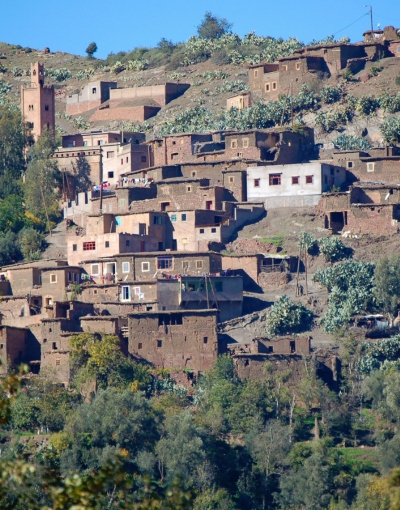
Choose the Atlas for village landscapes, valley walks and a quieter rhythm. It can be a day trip, but one or two nights create a more meaningful mountain experience.

Best southern gateway
Choose Aït Ben Haddou as part of the road to the valleys and desert. Its earthen architecture gives the first long travel day a clear cultural purpose.
Start with your travel style
The best Morocco destinations depend on what you want to feel.
Before choosing a city, decide whether your first trip is mainly about culture, landscapes, food, ocean time, walking, family comfort or a slower introduction to daily life.
Culture first
Marrakech gives you gardens, palaces, food and a vivid medina. Fes offers deeper craft traditions, historic architecture and a more intricate old city. Together they show two distinct urban moods, but they deserve at least two nights each.
Good addition: Rabat or Meknes if you have time for another historic city.
Desert first
Follow the southern road to Merzouga
If sleeping beside the dunes is the reason you are coming, make the Sahara the center of the route. Use Aït Ben Haddou, the Dades Valley and Todra Gorge as meaningful stops, not filler between Marrakech and the desert.
Good addition: Fes for a northbound finish or Marrakech for an easy arrival.
Coast and calm
Slow down in Essaouira
Essaouira is a strong choice when you want a walkable medina, seafood, sea air and less intensity after a busy city. It works as a two-night stay from Marrakech or as a longer Atlantic break.
Good addition: Agadir and Taghazout for beaches, surfing or family-friendly facilities.
Mountains and walking
Give the High Atlas real time
The Atlas can be a gentle day trip or the backbone of an active itinerary. Choose Ourika for accessibility, Imlil or another valley for village walks, and a higher route only when the season and fitness level make sense.
Good addition: Aït Ben Haddou and the southern valleys for a road-based landscape journey.
Family comfort
Use fewer bases and better pauses
Families often enjoy Marrakech, Essaouira and selected Atlas valleys because they offer varied activities without a new hotel every night. Long desert drives can still work, but split them with overnight stops and protect downtime.
Good addition: a private driver, flexible meal timing and accommodation with easy access.
Slow first trip
Let one neighborhood become familiar
Three or four nights in one city can be more rewarding than adding two rushed destinations. Leave room to return to a favorite café, shop for crafts, take a cooking class or simply observe how the day changes in a medina.
Good addition: a small coastal town or village stay rather than another major city.
First-trip destination comparison
Which places belong on your Morocco map?
Use the table as a decision tool. Suggested nights are minimum comfortable ranges, not a ranking and not a rule.
Destination: Marrakech
Best for: Food, gardens, monuments, medina energy
Suggested stay: 2–4 nights
Works well with: High Atlas, Essaouira, Aït Ben Haddou
Watch for: Busy pace; protect quiet time
Destination: Fes
Best for: Crafts, history and cultural depth
Suggested stay: 2–3 nights
Works well with: Chefchaouen, Meknes, Merzouga
Watch for: Medina navigation and walking
Destination: Merzouga
Best for: Sahara dunes, desert camp and stars
Suggested stay: 1–2 nights locally
Works well with: Dades, Todra, Fes or Marrakech
Watch for: Long road transfers
Destination: Essaouira
Best for: Atlantic calm, seafood and a walkable old town
Suggested stay: 2–3 nights
Works well with: Marrakech, Agadir
Watch for: Windier weather than inland cities
Destination: High Atlas
Best for: Valleys, villages and mountain walks
Suggested stay: 1–3 nights
Works well with: Marrakech, southern Morocco
Watch for: Elevation and seasonal road conditions
Destination: Chefchaouen
Best for: Photography, slow mornings and northern scenery
Suggested stay: 1–2 nights
Works well with: Tangier, Tetouan, Fes
Watch for: Extra northbound distance
Destination: Rabat
Best for: Calmer heritage and Atlantic atmosphere
Suggested stay: 1–2 nights
Works well with: Casablanca, Tangier, Fes
Watch for: Less theatrical than Marrakech
Destination: Agadir & Taghazout
Best for: Beach, surf and easy services
Suggested stay: 2–4 nights
Works well with: Essaouira, Taroudant
Watch for: Less historic-medina focus
The most useful first-trip choice is often the destination that adds contrast without creating a needless backtrack.
Five to seven days
Keep your first Morocco trip regional.
A short visit rewards a clear base and one well-chosen extension.
If you fly into Marrakech, spend three nights in the city, then choose either the High Atlas, Essaouira or a two-night southern extension. Marrakech itself can fill several days when you combine a guided medina walk with gardens, food, a hammam, a cooking experience and one flexible afternoon. Compare the options in our guide to activities in Marrakech.
Essaouira is the easiest contrast: the road is manageable, the medina is compact and the Atlantic air changes the mood immediately. The High Atlas is better when you want villages, walking and scenery without changing the whole shape of the trip. Aït Ben Haddou can work as part of a short overnight route, but do not promise yourself the full Sahara and a relaxed city break in the same five days.
If Fes is your arrival city, build around the north: two or three nights in Fes, a night or two in Chefchaouen or Meknes, and time to return without turning the final day into a long transfer. This is a stronger first Morocco itinerary than rushing south and seeing every place through a car window.
Eight to ten days
The classic city, mountains and Sahara route.
This is the route many first-time travelers imagine, but it only works when the driving is part of the plan.
Begin in Marrakech with two or three nights to adjust and explore. Cross the High Atlas toward Aït Ben Haddou, then continue through Ouarzazate and the Dades or Todra region. These overnight stops are what make the road meaningful: you can walk through a kasbah landscape, see the light change in the valley and arrive in the desert with more than a checklist in your head.
Spend at least one full evening and one sunrise in the Merzouga area. The dunes are not only a camel-ride backdrop; the silence, scale and night sky are the reason to stay. From there, continue toward Fes or return through a different route if your flights require it. A one-night desert stop can be enough for a taste, but it leaves little margin when weather, road conditions or a slower morning change the timing.
With eight to ten days, avoid adding Essaouira, Chefchaouen and Rabat on top of this route. Choose one finish: Fes for cultural contrast, Marrakech for a simple return, or a coast only if you are willing to remove another stop.
Twelve to fourteen days
Build a broader Morocco journey without racing.
Two weeks give you choices, but they still need a route logic.
Start with an open-jaw idea: arrive in Marrakech and depart from Fes or Casablanca, or reverse the direction. That can turn a long return drive into a natural progression. After Marrakech and the southern route, give Fes two or three nights, then add Chefchaouen or Rabat if northern Morocco appeals. Alternatively, finish in Essaouira or Agadir after the city and desert route if ocean time matters more than another historic center.
Extra nights are not a reason to add every destination. They are a chance to make the places you already chose more generous. Stay two nights in the Dades region instead of one, add a village walk in the Atlas, or leave an afternoon in Fes for crafts and a second guided route. A good two-week first Morocco itinerary feels varied but not constantly in transit.
Families and travelers who prefer a slower pace may use two weeks for Marrakech, Essaouira, the Atlas and one southern route instead of trying to include both northern and southern Morocco. Couples may prefer a desert camp, a coastal riad and fewer city changes. The right answer is the one that leaves room to enjoy the destination after you have arrived.
From planning advice to a real route
Use these tours as route examples—then change what does not fit.
A published itinerary is useful for understanding direction, overnight stops and pacing. Tiziri Travel can adjust the start city, finish city, accommodation style and experiences before you confirm a custom trip.
Best short desert framework
5 days from Marrakech
Use this when the Sahara matters more than adding a second imperial city. The additional days make the valleys and kasbah road part of the experience.
Best one-way connector
4 days from Fes to Marrakech
Use this when you want to connect two major cities through the Sahara instead of flying or repeating the same road.
Best relaxed southern loop
6 days from Marrakech
Use this when you prefer a slower desert loop with more time between Marrakech, the valleys and Merzouga.
Best broad first journey
12 days from Casablanca
Use this as a framework when you want imperial cities, Chefchaouen, the Sahara and Marrakech in one longer route.
Share your flight cities, number of nights and three priorities. The team can build a tailor-made Morocco itinerary instead of forcing your trip into a fixed route.
The first big choice
Marrakech or Fes: which city should come first?
Both are excellent; they simply introduce Morocco in different ways.
Choose Marrakech if you want an energetic arrival, famous gardens and palaces, a wide choice of restaurants, easy day trips and a straightforward launch point for the Atlas or southern Morocco. The medina is busy and sensory, so balance it with a calm riad, a morning without plans or a nearby landscape day.
Choose Fes if your priority is history, craft, architecture and the feeling of entering a living medieval city. The old city is dense and fascinating, but it asks you to walk, pause and use local context. Fes also makes sense as a northern finish after the Sahara.
Include both when you have at least eight to ten days and can connect them through a route that adds landscapes. If you only have four or five nights, pick one. Seeing two cities quickly is less satisfying than understanding one.
Plan the desert honestly
How the Sahara fits into a first trip to Morocco.
The Sahara is worth the distance when the route is designed around the journey.
Merzouga and Erg Chebbi are far from Marrakech and Fes. The map can make the distance look simple, but the road crosses mountains, plateaus, valleys and changing climates. That is why a well-planned desert itinerary includes Aït Ben Haddou, the Dades Valley, Todra Gorge or a palm-filled oasis. These places give your travel days texture and keep the transfer from feeling like lost time.
For a first-time visitor, one night in a desert camp can be enough to experience the dunes, sunset, stars and sunrise. Two nights in the wider Merzouga area are better when you want a slower day, a village visit or time to recover from the approach. Ask how much of the day is spent driving, where you will stop and what happens if you prefer a 4×4 transfer or a quiet camp rather than a large group.
Do not choose the Sahara because a short itinerary checklist says you should. Choose it because desert landscapes matter to you enough to give them the time they need. If you have only five days, Essaouira or the Atlas may create a more enjoyable first trip. If the desert is your dream, give it the central place on the map.
Route architecture
Let your arrival and departure cities do some of the planning.
Airport choice affects backtracking, transfer time and how relaxed the last day feels.
Marrakech arrival
Best for the south and Atlas
Start with Marrakech, then move toward Essaouira, Aït Ben Haddou, Dades and Merzouga. Return to Marrakech only when your flight schedule makes it practical; otherwise consider an open-jaw departure from Fes or Casablanca.
Fes arrival
Best for culture and the north
Begin with Fes, then add Chefchaouen, Meknes or Rabat. Continue south toward Merzouga if you have enough nights, and finish in Marrakech or Casablanca depending on flights.
Casablanca arrival
Best when flights or rail align
Casablanca can be a useful gateway for Rabat, Fes and the north. Treat it as a short urban stop unless architecture and the Hassan II Mosque are central interests, then move into the route that fits your trip.
Tangier arrival
Best for a northern introduction
Tangier, Tetouan and Chefchaouen create a distinct first Morocco experience. Continue to Fes and the south only if you have the time; adding Marrakech and the Sahara to a short northern trip creates unnecessary pressure.
Places first, experiences second
Once the route is clear, decide what you actually want to do there.
A useful first-time itinerary does not fill every hour. It gives each stop a purpose and leaves room to experience it.
In Marrakech, that might mean one guided medina morning, one garden or palace, a food experience and one excursion beyond the city. In Fes, the priority may be a contextual medina walk, artisan workshops and time to return to a place that caught your attention. In the Atlas, the activity should match your walking level and season. In Merzouga, choose whether the quiet landscape, a camp night, a village visit or an active desert experience matters most.
This sequence protects the page from becoming another generic “things to do” list: first choose where to go, then select a few experiences that justify each stop. If you are using Marrakech as a base, compare the existing Marrakech activities guide and the full collection of Morocco day trips.
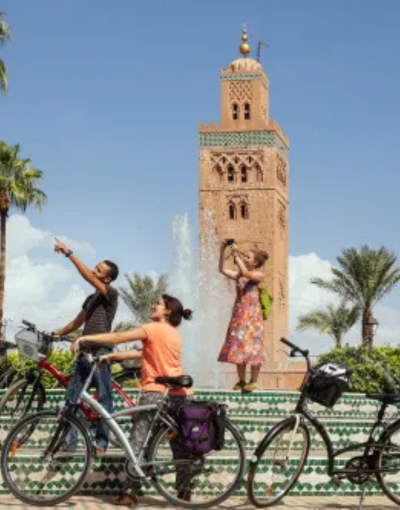
City activity
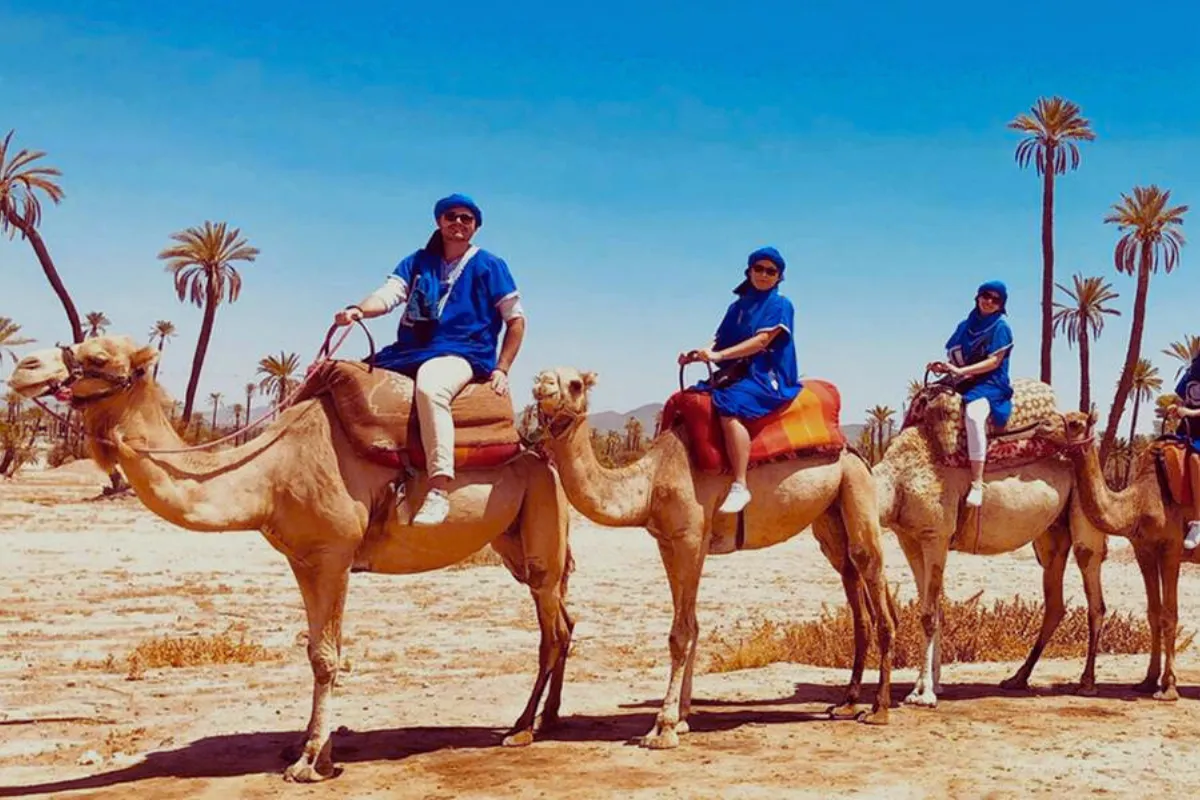
Landscape experience
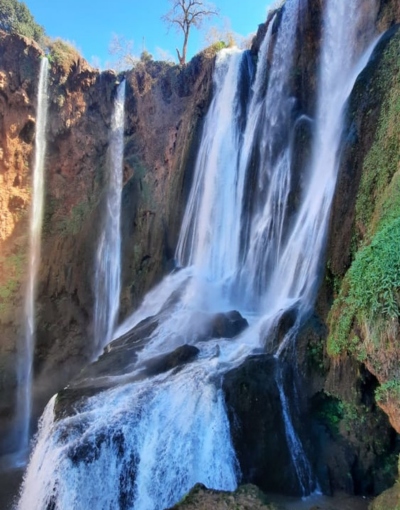
Day trip
Reality checks
What first-time visitors often get wrong.
Good planning is mostly about leaving out the things that do not fit.
Counting driving days as sightseeing days
A transfer can be scenic and worthwhile, but it still takes energy. Label long road days honestly and avoid scheduling a demanding guided tour immediately after arrival.
Adding the Sahara because it is famous
The desert is special when you want it. If you prefer food, cities or ocean time, build around those interests instead of copying someone else’s route.
Changing hotels every night
Frequent check-ins hide the small moments that make Morocco memorable. Two nights in a place usually gives you a better morning, a better meal and a calmer departure.
Booking a medina stay without checking access
Many riads are inside pedestrian lanes. Ask where the vehicle stops, how luggage is carried and whether the location suits your arrival time and mobility needs.
Planning every hour
Keep a flexible afternoon for a hammam, café, market, photo walk or simple rest. A Morocco itinerary should have structure, not anxiety.
Choosing by photo alone
A blue street, dune or kasbah can be beautiful and still be the wrong fit for your dates. Check season, distance, walking level and the experience behind the image.
Season changes the answer
The best places to visit in Morocco depend on your month.
Morocco can have city heat, Atlantic wind, mountain cold and desert temperature changes on the same journey.
Spring and fall are flexible for imperial cities, the southern route and outdoor time, although popular dates require earlier planning. Summer often favors Essaouira, Agadir, Taghazout, northern Morocco and higher elevations; inland cities are still possible with early starts and shaded breaks. Winter can be pleasant in Marrakech and the south during the day, while desert nights and mountain roads need proper preparation.
Seasonal planning also means checking daylight, local holidays, Ramadan timing, road conditions and the opening hours of the places you want to visit. A local team can help you adjust the order and pace when weather changes the practical route.
Marrakech, Fes, the Atlas foothills, valleys and broad north-to-south routes.
Atlantic coast, Taghazout, northern Morocco and cooler mountain stays.
Imperial cities, desert landscapes, kasbah routes and the coast with flexible layering.
City culture and southern scenery, balanced with cold nights and weather-aware mountain plans.
Your first-trip checklist
Answer these questions before you book anything.
Clear answers create a better route, a more accurate quote and fewer surprises on the ground.
Count arrival and departure days honestly.
Open-jaw flights can reduce backtracking.
Choose culture, desert, coast, mountains, food, rest or a balanced mix.
Decide whether long scenic transfers are part of the adventure.
Account for children, mobility, dietary needs and different energy levels.
Use local knowledge where history, craft and logistics add real value.
Protect at least one open block for rest or a local recommendation.
Review the itinerary, inclusions, price, payment terms and cancellation conditions.
Practical answers
Where to go in Morocco for the first time: FAQs
Most first-time visitors do well with Marrakech or Fes, one landscape-led route such as the High Atlas and southern valleys, and the Sahara or coast if the trip is long enough. Your arrival city, available nights and preferred pace should decide the final combination.
Marrakech is an easy first base for food, gardens, monuments and day trips. Fes is better for travelers who prioritize historic medinas, crafts and cultural depth. A trip of eight days or more can include both.
Five to seven days works best in one region, eight to ten days can connect an imperial city with the southern route and Sahara, and twelve to fourteen days allows a slower multi-region itinerary.
Yes, but plan it as a multi-day route. The drive from Marrakech or Fes is long, so include scenic stops such as Aït Ben Haddou, Dades or Todra instead of treating the Sahara as a quick excursion.
Marrakech is often the more immediate visitor experience. Casablanca is useful when flights, the Hassan II Mosque or a northbound rail route make it practical. Choose the airport that reduces backtracking.
For eight to ten days, a common beginner-friendly route is Marrakech, Aït Ben Haddou, Dades or Todra, Merzouga and Fes. With five to seven days, keep Marrakech with the Atlas or Essaouira rather than forcing the desert.
Morocco can work very well for families when the itinerary limits long transfers, includes downtime and matches activities to the children’s ages. Marrakech, Essaouira and gentle Atlas stops are flexible starting points.
Essaouira is ideal for an atmospheric medina, seafood and a relaxed Atlantic rhythm. Agadir and Taghazout suit travelers who want beach facilities, surfing and more resort-style time.
Yes for major cities and several northern routes. Trains and buses connect key urban centers, while a private driver or organized route is usually more practical for the Atlas Mountains, southern valleys and Sahara.
Start with the experience you care about most: medina culture, desert landscapes, mountains, coast, food, history or rest. Then choose nearby destinations that add contrast without creating unnecessary backtracking.
Continue planning
Open the guide that answers your next decision.
These links move from broad discovery to destination detail, a real tour framework and finally a custom quote—without sending you through unrelated pages.
Make the map personal
Tell us what you want your first Morocco trip to feel like.
Share your dates, travelers, arrival and departure cities, interests and preferred pace. We will review a route around the places that fit, then you can request changes before confirming the written itinerary, price and payment terms.