

Welcome to your ultimate guide on the best time to visit Morocco! Whether you’re planning a Sahara desert adventure, an imperial city tour, or a relaxing beach holiday, timing your visit is key to unlocking the best experiences this diverse country has to offer. Morocco is a land of incredible contrasts—from the snow-dusted Atlas Mountains to the golden dunes of the Sahara Desert, and from the vibrant souks of Marrakech to the calm beaches of Essaouira.
In this detailed guide, you’ll discover the best time to go to Morocco based on regional climates, seasonal activities, and budget considerations. With insider tips and expert advice from the Tiziri Travel team, this is your one-stop resource for planning a Moroccan trip you’ll never forget.
I. Why Timing Matters When Visiting Morocco
Choosing the best time to travel to Morocco is more than just a question of warm days or cool nights—it’s about aligning your trip with Morocco’s rich seasonal variations, diverse regions, and cultural calendar. Each season brings its own set of benefits and challenges, depending on your travel goals.
1.1 Climate Zones and Weather Patterns
Morocco’s geography spans coastlines, mountains, and deserts, creating a mosaic of microclimates. Understanding these climate zones will help you determine the best time to visit Morocco based on your intended destinations and activities.
Coastal Regions (Casablanca, Essaouira, Tangier)
The Atlantic and Mediterranean coasts enjoy a temperate, Mediterranean climate. Winters are mild and summers are pleasantly warm, thanks to ocean breezes. These cities are ideal to visit year-round, though spring and early autumn are particularly pleasant.
Best time to go to Morocco’s coast: April to June and September to November.
Inland Cities (Marrakech, Fes, Meknes)
These cultural hubs experience more extreme seasonal changes. Summers can be intensely hot, especially in July and August, with temperatures soaring above 40°C (104°F). Winters, on the other hand, can be surprisingly chilly, especially at night.
Best time to travel to Morocco’s cities: March to May and October to November, when temperatures are moderate.
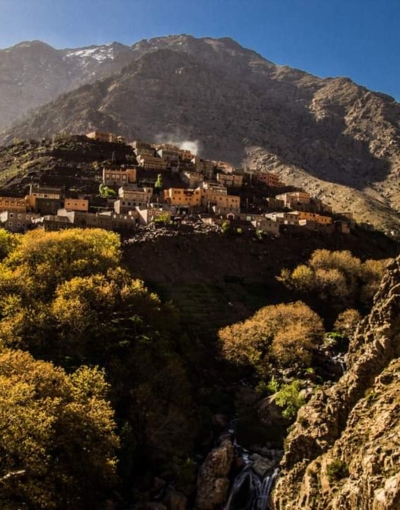
Atlas Mountains (Imlil, Oukaimeden, Toubkal)
The High Atlas Mountains see heavy snowfall in winter, making them a favorite destination for skiers and hikers alike. Spring brings blooming valleys and lush landscapes, ideal for trekking.
Best time to visit Morocco’s mountains: May to early June and September for hiking; December to February for snow sports.
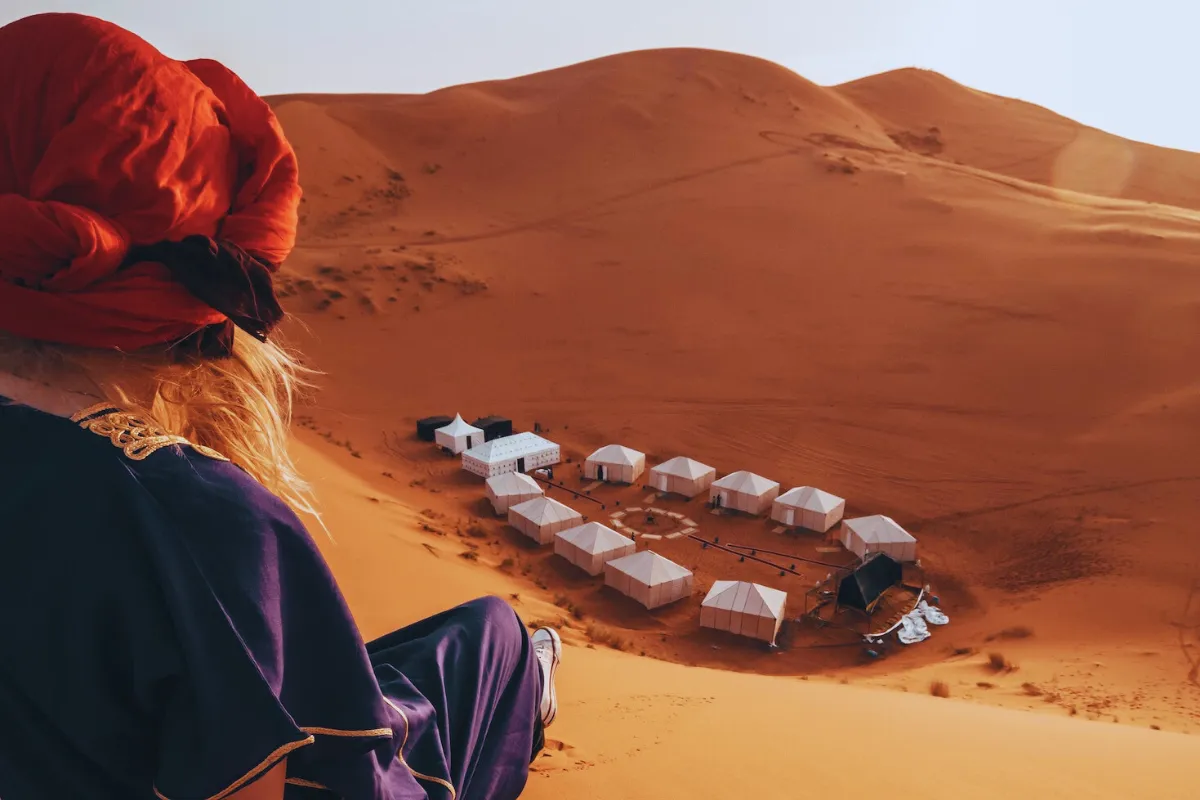
Sahara Desert (Merzouga, Zagora)
The Sahara is a dream for many travelers, but it’s also one of the harshest environments. From June to August, the heat can become unbearable, especially during the daytime. For a more enjoyable desert experience, plan your visit in the cooler months.
Best time to go to Morocco’s desert: October to April, particularly March and November for milder temperatures.
1.2 Cultural Events & High Seasons
Morocco’s seasonal rhythm is not just about the weather—it’s also about cultural richness. Aligning your visit with festivals and local events can enhance your experience.
Spring and Autumn: High Seasons with Festivals
Spring (March to May) and autumn (September to November) are widely considered the best times to travel to Morocco. Not only is the weather pleasant across the country, but these months also host some of Morocco’s most vibrant festivals, such as:
- Fes Festival of World Sacred Music (May or June)
- Rose Festival in El Kelaa M’Gouna (May)
- Marrakech Popular Arts Festival (July, sometimes late June)
- Eid Celebrations, depending on the Islamic calendar
These seasons are perfect for cultural immersion but come with a catch—crowds and prices soar.
Winter and Summer: Low Seasons with Surprises
Winter (December to February) is often overlooked but offers unique advantages. The desert becomes bearable, and cities like Fes and Rabat feel more intimate without the tourist crowds. Meanwhile, the High Atlas Mountains transform into ski destinations.
Summer (June to August) might be sweltering inland, but it’s a great time for coastal relaxation. Plus, major religious events like Eid al-Adha and Ramadan offer a chance to witness Morocco’s spiritual side.
1.3 Budget & Crowds: Travel Smart
Traveling to Morocco is not just about when the weather is good; it’s also about how to make the most of your budget and avoid the overwhelming crowds that can flood popular destinations.
Peak Season Prices
During the high seasons of spring and autumn, accommodation prices rise significantly, especially in tourist hubs like Marrakech, Chefchaouen, and the Sahara gateway towns. Flight tickets also tend to be more expensive.
If you’re planning to travel during these peak periods, book well in advance to get the best deals on flights and hotels.
Off-Season Savings
Winter and summer are considered low seasons for tourism, which translates into better prices for flights, hotels, and tours. You’ll also enjoy a more tranquil atmosphere in cities and cultural sites.
Best time to visit Morocco on a budget: January to early March, and late June to August (for coastal stays).
Avoiding the Crowds
If you’re someone who prefers a quiet, more authentic travel experience, consider the shoulder months: late February, early June, or late September. These periods offer a good balance between weather, prices, and crowd levels.
II. Spring in Morocco (March – May)
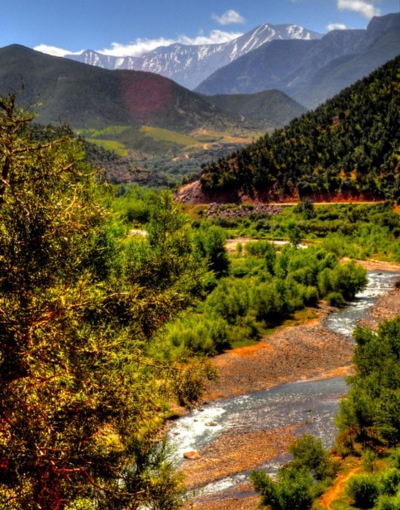
Spring is arguably the best time to visit Morocco for most travelers. Temperatures are mild, flowers are blooming, and the landscapes are lush and green. Spring transforms Morocco into a natural wonderland, perfect for exploration and cultural immersion.
“Spring in Morocco is like poetry in motion—vibrant, colorful, and full of life.” — Tiziri Travel Team
2.1 Weather Overview
Spring temperatures range from 15°C to 25°C (59°F to 77°F), which is ideal for walking tours, outdoor activities, and photography. Rainfall is minimal during this season, though occasional showers might appear in the north and mountainous areas. This mild climate makes spring the best time to travel to Morocco for those who enjoy nature, trekking, and sightseeing without the discomfort of extreme heat or cold.
“If you’re wondering about the best time to go to Morocco to truly enjoy nature and culture—spring is your answer.”
2.2 Best Destinations to Visit
Chefchaouen: The Blue City is stunning in spring. The cool mountain air and blooming flora enhance the beauty of its iconic blue-painted walls.
Marrakech: Spring brings out the best in this imperial city. The gardens, souks, and palaces are more enjoyable under pleasant weather. For many, this is the best time to visit Morocco for urban exploration.
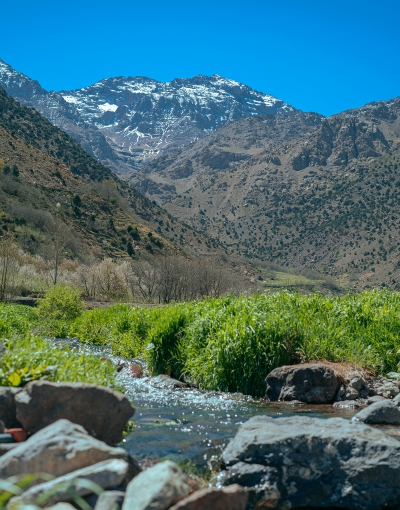
High Atlas Mountains: Trekking in spring is a dream. The snow starts melting, feeding rivers and covering valleys in greenery. This is the best time to go to Morocco if you’re seeking outdoor adventure.
“There’s nothing quite like hiking the High Atlas in spring—fresh air, blooming trails, and breathtaking views.”
2.3 Cultural Highlights
Rose Festival: Held in May in El Kelaa M’Gouna, this unique festival celebrates the rose harvest with parades, traditional dances, music, and markets. Experiencing it during spring makes it clear why this season is the best time to travel to Morocco for cultural experiences.
Ramadan (when it falls in spring): Springtime Ramadan adds a spiritual and authentic atmosphere to your visit. While food service is limited during daylight, evenings are filled with community and celebration.
“Witnessing Ramadan in Morocco is not just cultural—it’s deeply moving.”

III. Summer in Morocco (June – August)
Summer in Morocco can be intense, especially inland. However, with the right planning, it can still be an amazing time to explore. While not everyone’s first choice, it might be the best time to go to Morocco for those who want to avoid high-season crowds and enjoy Morocco’s coasts.
“Morocco in summer is a story of contrasts—scorching cities, cool coasts, and hidden mountain escapes.”
3.1 Weather Conditions
Interior Cities: Cities like Marrakech and Fes often see temperatures soar above 38°C (100°F). These destinations require early-morning or late-evening explorations.
Coastal Regions: The Atlantic coast, particularly cities like Essaouira and Agadir, stays cooler with pleasant breezes—making this the best time to visit Morocco if you’re heading to the beach.
Mountains: The Rif Mountains and parts of the Middle Atlas offer cooler weather and make for refreshing summer escapes.
“The best time to travel to Morocco’s coast? Without a doubt—summer. It’s where the breeze meets the soul.”
3.2 Where to Go in Summer
Essaouira: A summer favorite with constant cool winds, rich culture, and relaxed vibes. It’s ideal for travelers seeking beach days and artistic inspiration.
Agadir: Known for its beaches, modern resorts, and family-friendly atmosphere. If you’re looking for sun and surf, this is the best time to visit Morocco’s southern coast.
Rif Mountains: In summer, the higher elevations help keep cities like Chefchaouen comfortably cool. The scenery and slower pace offer a perfect contrast to the urban heat.
“In the Rif Mountains, summer doesn’t chase you—it refreshes you.”
3.3 Travel Tips for the Heat
- Travel early in the morning or late in the evening to avoid peak heat.
- Stay hydrated with bottled water and fresh juices.
- Dress in light, breathable fabrics and wear hats and sunscreen.
- Visit museums, palaces, or hammams during the hottest hours of the day.
“In summer, Morocco teaches you the rhythm of the land—slow down, sip mint tea, and let the heat guide your journey.”
IV. Autumn in Morocco (September – November)
Autumn is truly a golden opportunity—both literally and figuratively—for those wondering about the best time to visit Morocco. As the intense summer heat begins to fade, Morocco enters a magical season marked by golden sunlight, gentle breezes, and fewer crowds. This makes it one of the most comfortable and rewarding times of the year to discover the kingdom’s diverse landscapes and cultures.
“Autumn in Morocco is nature’s soft whisper inviting you to explore deeply and slowly.” — Tiziri Travel Team
4.1 Climate & Comfort
From September to November, the weather becomes incredibly pleasant. Daytime temperatures range between 20°C and 30°C (68°F to 86°F) depending on the region, offering ideal conditions for city exploration, hiking, and cultural immersion. The north remains green and lively, while the south transitions into cooler desert nights.
This balanced climate confirms that autumn is the best time to go to Morocco if you want to enjoy comfort without compromising on experience.
“Autumn isn’t just a season—it’s the soul of Morocco in perfect harmony.”
4.2 Featured Destinations
Merzouga: Nestled on the edge of the Sahara, Merzouga offers the best time to travel to Morocco’s desert. The oppressive summer heat has passed, making camel treks, 4×4 excursions, and starry nights in the dunes far more enjoyable.
Fes: Autumn is an excellent moment to explore this ancient imperial city. With cooler temperatures and fewer tourists, you can wander through its UNESCO-listed medina at your own pace.
Ouarzazate: Known as the “Hollywood of Africa,” this region becomes more accessible and comfortable in autumn. Visit world-famous film studios, kasbahs like Aït Benhaddou, and nearby desert landscapes in optimal conditions.
“The beauty of Morocco in autumn lies in its contrasts—desert silence, medina bustle, and mountain serenity.”
4.3 Events & Experiences
Gnaoua Music Festival: While usually held in June, Essaouira has occasionally hosted Gnaoua-themed performances in autumn. These events fill the coastal air with spiritual rhythms and a deep cultural vibe.
Wine Harvest Tours: Autumn is harvest season in the Meknes region, where Moroccan vineyards open their doors to curious travelers. Discover local winemaking traditions, sample varietals, and enjoy scenic countryside views.
“Autumn awakens the senses—music in the breeze, flavor in the vines, and warmth in every moment.”
V. Winter in Morocco (December – February)
At first glance, winter may not appear to be the best time to visit Morocco, but don’t let appearances fool you. Winter unveils a softer, more introspective side of the country. With mild coastal temperatures and snow-dusted mountains, Morocco in winter offers travelers diversity, peace, and a sense of authenticity that’s hard to find in other seasons.
“Winter is when Morocco whispers its secrets to those who travel with curiosity.” — Tiziri Travel Team
5.1 Weather & Conditions
Winter weather in Morocco is generally mild along the Atlantic and Mediterranean coasts, with daytime temperatures ranging from 12°C to 20°C (54°F to 68°F). However, the inland regions like Fes and Marrakech experience colder nights.
The Atlas Mountains often receive generous snowfall, transforming them into an unexpected winter playground. This mix of climates makes winter a surprisingly best time to go to Morocco, especially for those looking to escape both the harsh European winter and summer crowds.
“You’ll find snow and sunshine just a few hours apart—that’s winter in Morocco.”
5.2 Where to Visit in Winter
Marrakech: The city remains lively with plenty of sunshine during the day and cozy riads in the evening. Winter is the best time to travel to Morocco if you want to explore Marrakech’s souks, palaces, and food scene without the intensity of summer heat or autumn rush.
Sahara Desert (Merzouga or Zagora): Camel treks and overnight desert camps are much more comfortable during winter. Days are pleasantly cool, and while nights can be cold, they are magical under the stars.
Oukaïmeden: Just 1.5 hours from Marrakech, this ski resort is one of the highest in Africa. Whether you’re a winter sports enthusiast or simply want to enjoy snow-capped peaks, this is a hidden gem that surprises many visitors.
“Where else can you ski in the morning and sip mint tea in a sunny garden by afternoon?”
5.3 Winter Holidays & Festivities
Yennayer (Amazigh New Year): Celebrated in mid-January, Yennayer is a unique cultural event that reflects Morocco’s deep Berber heritage. Experience traditional meals, music, and community gatherings that few tourists witness.
New Year Celebrations: Many riads and hotels across Morocco organize festive dinners, live music, and performances for New Year’s Eve. Whether you’re in a coastal city or a mountain village, Moroccan hospitality ensures a memorable start to the year.
“Yennayer isn’t just a new year—it’s a celebration of identity, legacy, and connection.”

VI. Region-by-Region Travel Timing Guide
Morocco isn’t just a country—it’s a world of contrasts. To truly determine the best time to visit Morocco, it’s essential to explore when each region shines brightest. From the breezy Atlantic coastlines to the fiery dunes of the Sahara, each destination has its perfect season.
“The secret to unlocking Morocco’s magic is knowing when to go, not just where to go.” — Tiziri Travel Team
6.1 Northern Morocco
Best Time to Visit: Spring and Summer
Why: If you’re looking for the best time to travel to Morocco’s north, spring and summer offer the most vibrant and photogenic landscapes.
From the blue alleys of Chefchaouen to the Mediterranean charm of Tangier, Northern Morocco blends Andalusian elegance with natural beauty. In summer, coastal cities offer a refreshing escape, while spring adds wildflowers and green hills.
“In the north, every breeze whispers history, and every color tells a story.”
6.2 Central Cities
Best Time to Visit: Spring and Autumn
Why: For those seeking the best time to go to Morocco for city tours, head to Fes, Meknes, and Marrakech during these transitional seasons.
Temperatures are moderate, crowds are manageable, and the light enhances the architectural splendor of medinas and mosques. Artisan souks burst with energy and authenticity during these months.
“Central Morocco is where the soul of tradition meets the rhythm of modern life.”
6.3 Southern Morocco
Best Time to Visit: Autumn and Winter
Why: This is undoubtedly the best time to travel to Morocco’s southern regions, including Merzouga, Zagora, and Ouarzazate.
The desert heat recedes, making camel treks, kasbah visits, and stargazing in the Sahara more enjoyable. The cooler months also bring out the earthy colors and dramatic light of the arid landscapes.
“The silence of the southern sands in winter speaks louder than a thousand voices.”
6.4 Atlantic Coast
Best Time to Visit: Summer and Late Spring
Why: For those dreaming of beach escapes and vibrant coastal culture, this is the best time to go to Morocco’s Atlantic Coast.
Essaouira, Agadir, and Taghazout shine with relaxed vibes, excellent surf, and world-class seafood. The ocean breeze keeps things cool even in July.
“On the coast, Morocco takes a deep breath and invites you to do the same.”
6.5 Atlas Mountains & Rif
Best Time to Visit: Spring (for trekking), Winter (for snow)
Why: Whether you seek alpine adventure or cultural immersion, the Atlas Mountains and Rif reveal their beauty during these seasons.
Spring brings blooming valleys perfect for trekking in Imlil or Toubkal. Winter offers snow-covered peaks and skiing in Oukaïmeden, as well as Berber hospitality in remote villages.
“To understand Morocco’s soul, walk its mountain paths—each step tells a story.”
VII. Festivals & Events Calendar
Festivals in Morocco are not just events—they’re gateways into centuries of tradition, music, and spirituality. If you’re planning your trip around cultural immersion, aligning your visit with one of these festivals can make it the best time to visit Morocco for unforgettable experiences.
7.1 Must-See Events by Month
January – Yennayer (Amazigh New Year)
Celebrate the Berber New Year with traditional food, community gatherings, and ancestral rituals across the Atlas regions.
March – International Nomad Festival (M’Hamid El Ghizlane)
An immersive desert festival celebrating nomadic heritage through music, poetry, and storytelling beneath the Saharan sky.
May – Rose Festival (El Kelaa M’Gouna)
This fragrant celebration of Morocco’s rose harvest features parades, local crafts, and floral-themed festivities.
June – Gnaoua World Music Festival (Essaouira)
A spiritual fusion of African, jazz, and world music on Morocco’s Atlantic coast—this is one of the top events in North Africa.
July – Marrakech Popular Arts Festival
A dazzling mix of acrobats, musicians, dancers, and storytellers—this event revives the oral and artistic heritage of Morocco.
October – Erfoud Date Festival
Held during the harvest, this southern festival celebrates one of Morocco’s tastiest treasures: the date. Includes music, camel races, and local cuisine.
“In every Moroccan festival, the past dances with the present, and the spirit of the people shines.”
7.2 Planning Around Ramadan
Ramadan is a sacred month in Morocco, shifting every year by the lunar calendar. While it may not seem like the best time to go to Morocco, it offers a unique window into Moroccan spirituality and communal life.
During Ramadan:
- Many restaurants close during daylight hours.
- Tour schedules may shift to accommodate fasting hours.
- Evenings, however, come alive with food, laughter, and tradition.
“Ramadan in Morocco is not just about fasting—it’s about feeling the heartbeat of a nation.”
VIII. Month-by-Month Breakdown
When planning your trip, understanding the best time to visit Morocco on a month-by-month basis is essential. Morocco’s diverse climates and rich cultural calendar make it possible to find something unique at any time of the year. Here’s a detailed guide to help you choose the best time to go to Morocco based on weather, crowds, and experiences.
January
January in Morocco is characterized by cool and quiet days, especially along the coast and in the cities. It’s the perfect month for cultural sightseeing without the bustle of tourists. The Atlas Mountains receive snowfall, making it an attractive destination for winter sports enthusiasts. For those who seek tranquility and a break from busy travel seasons, January offers excellent value with fewer crowds and lower prices.
February
February continues to provide mild weather, particularly suited for desert travel. The Sahara Desert experiences cooler temperatures and clear skies, allowing comfortable camel treks and desert camping under starry nights. This month is ideal for travelers wanting to avoid the intense heat while enjoying expansive desert landscapes.
March
March stands out as one of the best times to travel to Morocco due to the mild climate and the burst of spring flora. This is when many festivals and cultural events begin, filling the cities and countryside with life. Travelers can comfortably explore the bustling markets of Marrakech or the blue streets of Chefchaouen while enjoying pleasant temperatures that rarely exceed 25°C.
April
April is a prime month for outdoor activities such as trekking in the Atlas Mountains or touring the historic medinas. The weather is consistently mild, making it one of the best times to visit Morocco for active travelers and those seeking a mix of culture and nature. This month is also rich with local festivals, providing a glimpse into Morocco’s vibrant traditions.
May
May ushers in full spring bloom across Morocco, with fields and gardens exploding in color. It is a favored time for tourists, so popular destinations become livelier, especially during events like the Rose Festival in El Kelaa M’Gouna. The weather remains pleasant but starts warming up, signaling the approach of summer.
June
June marks the start of hot weather inland, particularly in cities like Marrakech and Fes where temperatures often exceed 35°C. Coastal cities, however, maintain cooler conditions thanks to Atlantic and Mediterranean breezes. For this reason, June is a good time to enjoy Morocco’s beaches and coastal towns, especially if you plan your outings for early mornings or late afternoons.
July
July can be one of the hottest months, especially inland. For this reason, northern cities and seaside resorts are the best destinations during this time. Areas like Essaouira and Agadir offer refreshing ocean breezes, making them ideal summer escapes. Travelers should prepare for warm evenings and plan outdoor activities accordingly.
August
August continues the pattern of high temperatures and crowded tourist spots. It’s advisable to focus on mountain regions like the Atlas or Rif Mountains and coastal retreats where the weather is cooler. This month can be demanding for visitors unaccustomed to heat, so pacing your activities and staying hydrated are key.
September
September is often considered one of the best times to travel to Morocco. The summer heat fades, crowds thin out, and the weather becomes more comfortable for exploring cities and nature alike. This month offers a wonderful balance of climate and atmosphere, perfect for travelers looking for a more relaxed experience.
October
October brings cooler temperatures and beautiful autumn hues across the landscape. It’s an excellent month for photographers, cultural tourists, and outdoor enthusiasts. The skies are generally clear, and the weather invites exploration without the intensity of summer heat or winter chill.
November
November is quieter and calm, with mild temperatures that remain comfortable for sightseeing and outdoor activities. It’s a good choice for those seeking a peaceful journey, as many popular sites are less crowded compared to spring and autumn.
December
December marks the beginning of the festive season in Morocco, with warm days in the Sahara and cool, cozy nights in the cities and mountains. Holiday celebrations add a special cultural dimension to your visit. The mix of mild coastal weather and snowy mountain peaks makes it an intriguing and less typical travel time.
“The secret to a perfect Moroccan journey lies in choosing the right month to unlock the country’s many faces.”

IX. Tailored Itineraries by Season
Choosing the best time to visit Morocco is often linked to the type of experience you want. These curated seasonal itineraries help you make the most of Morocco’s climate, landscapes, and cultural offerings throughout the year.
9.1 Spring Adventure Itinerary
This itinerary is designed for those eager to explore Morocco’s lush landscapes and vibrant culture in comfortable weather:
Chefchaouen > Fes > Ifrane > Marrakech > Imlil
Start in the “Blue City” of Chefchaouen with its striking medina walls, then head to the historic city of Fes. Experience the European-influenced town of Ifrane, before diving into the bustling souks and palaces of Marrakech. Finish with a trek around Imlil in the High Atlas Mountains, where spring flowers and fresh mountain air create an unforgettable backdrop.
9.2 Summer Coastal & Culture Tour
To beat the summer heat, this route focuses on coastal cities and cultural hubs cooled by Atlantic breezes:
Casablanca > Essaouira > Agadir > Taghazout > Asilah
Begin in Casablanca with its modern and historic contrasts, then move to Essaouira, famous for its sea winds and laid-back vibe. Agadir offers beach resorts and relaxation, while Taghazout is a surfing hotspot. End in Asilah, a charming coastal town known for its art festivals and Andalusian architecture.
9.3 Autumn Desert Dream Route
Autumn is one of the best times to travel to Morocco for desert lovers and history buffs alike:
Fes > Merzouga > Todra Gorges > Ouarzazate > Marrakech
Start in the cultural heart of Fes, then journey to Merzouga for stunning Sahara desert landscapes. Explore the dramatic Todra Gorges, and visit Ouarzazate’s famous film studios and kasbahs before finishing your trip in Marrakech. The cooler temperatures make desert camping and trekking far more enjoyable.
9.4 Winter Culture & Wellness Journey
Winter opens up Morocco’s wellness and cultural scene, combining snow sports with desert relaxation:
Marrakech > Ourika > Oukaïmeden > Agafay Desert
Begin in Marrakech with its vibrant markets and historic sites. Head to the Ourika Valley for natural beauty and Berber culture, then experience skiing at Oukaïmeden in the High Atlas. Conclude with a serene desert escape in the Agafay Desert, enjoying peaceful landscapes and wellness retreats.
X. Tiziri Travel Tips: When & How to Book
10.1 Booking Flights and Accommodations
Planning ahead is key to securing the best deals during the best time to visit Morocco. For peak seasons such as spring and autumn, it’s advisable to book flights and accommodations 2 to 4 months in advance to ensure availability and better rates. Choosing local riads over hotels enriches your stay with authentic Moroccan hospitality and cultural immersion. Riads offer charming, traditional settings right in the heart of medinas, perfect for travelers seeking a genuine experience.
10.2 Packing Tips by Season
Packing smart is essential depending on when you visit Morocco:
- Spring and Autumn: Bring layers to adapt to fluctuating temperatures. A light jacket and sturdy hiking shoes are ideal for outdoor adventures.
- Summer: Choose loose, breathable cotton clothing to stay cool. Don’t forget a wide-brimmed hat and high-SPF sunscreen to protect against intense sun.
- Winter: Warm layers are a must, especially if you plan to visit the mountains or higher altitudes where nights can be cold.
10.3 Health, Safety & Local Etiquette
To enjoy a smooth and respectful trip, keep these tips in mind:
- Always drink bottled water to avoid stomach issues.
- Respect local customs by dressing modestly, particularly in conservative rural areas and religious sites.
- Learning a few basic phrases in Arabic or Tamazight can open doors to friendlier interactions and shows respect for local culture.
XI. Real Traveler Insights: When Locals Recommend You Visit
11.1 Interviews or Testimonials
Local guides from Tiziri Travel frequently highlight April and October as the best time to travel to Morocco. These months strike the perfect balance between comfortable weather and manageable crowd sizes, allowing visitors to fully appreciate Morocco’s beauty and heritage without the rush of peak tourism.
11.2 Common Misconceptions About Weather
- “Morocco is always hot” — This is a misconception. While summers can be scorching inland, the mountains regularly see snow, and coastal regions stay pleasantly cool year-round.
- “Summer is unbearable” — Only inland cities like Marrakech experience extreme heat. Coastal areas like Essaouira and Agadir offer refreshing breezes and milder temperatures.
Your Next Journey Starts Here
So, when is the best time to go to Morocco? The answer depends on what you want from your trip. Spring and autumn provide ideal weather for exploring cities and nature. Winter invites travelers seeking cultural depth, wellness retreats, and snow sports. Summer opens doors to coastal relaxation and mountain escapes.
At Tiziri Travel, we specialize in tailoring your itinerary based on the season, region, and your unique interests. Morocco is ready to welcome you — whenever you choose to arrive.
“Traveling to Morocco is not just about seeing a place; it’s about experiencing a world where every season reveals a new story.”
FAQ: Best Time to Visit Morocco – Comprehensive Travel Guide
Planning your trip to Morocco involves many considerations, but one of the most important questions travelers ask is: What is the best time to visit Morocco? Whether you’re looking to explore bustling cities, relax on pristine beaches, trek the Atlas Mountains, or experience the vast Sahara Desert, knowing when to go can make all the difference. This FAQ dives deep into all your concerns, providing expert insights on the best time to go to Morocco, safety, weather, cultural events, and much more.
Is Morocco safe to visit year-round?
Yes, Morocco is generally safe to visit throughout the year. The country benefits from a solid infrastructure that supports tourism, including reliable transportation, well-maintained accommodations, and tourist-friendly services. Moroccan people are renowned for their warm hospitality and welcoming attitude toward travelers from all over the world. However, as with any travel destination, it’s wise to follow standard safety precautions, such as keeping an eye on your belongings, avoiding poorly lit or isolated areas at night, and respecting local customs and traditions.
From a safety standpoint, there is no specific season that is more dangerous than another, so safety concerns should not dictate your decision about the best time to travel to Morocco. Instead, focus on the weather and your personal preferences for activities.
When is the cheapest time to go to Morocco?
If you are traveling on a budget or looking for the best deals on flights and accommodations, January and February are typically the most affordable months to visit Morocco. These months fall in the low tourist season after the busy holiday period, resulting in lower prices and fewer crowds. The cooler winter temperatures can be ideal for cultural sightseeing and desert excursions, especially if you prefer to avoid intense heat.
Booking your trip during this period is a smart choice for travelers seeking value without sacrificing the rich cultural and natural experiences Morocco offers. Keep in mind that some mountain regions may be cold, and certain outdoor activities like hiking might be less accessible due to snow in the High Atlas Mountains.
Is it too hot to visit Morocco in July or August?
Many travelers wonder if summer is too hot to visit Morocco. The answer depends on where you plan to stay. Inland cities such as Marrakech, Fes, and the Sahara Desert experience very high temperatures during July and August, often soaring above 40°C (104°F). This intense heat can be uncomfortable for outdoor activities during the daytime.
However, coastal cities like Essaouira, Agadir, and Casablanca enjoy milder, more refreshing conditions thanks to the Atlantic Ocean’s cooling influence. The breezes keep temperatures comfortable and make beach vacations or surfing trips very pleasant during these months.
Mountain areas like the Atlas and Rif Mountains are also cooler than the plains, providing a welcome escape from the heat. Therefore, if you want to travel during the summer, consider spending time on the coast or in higher elevations to make the most of your trip.
When is the best time to visit the Sahara Desert?
The Sahara Desert is one of Morocco’s most iconic destinations, offering unforgettable experiences like camel treks, star-filled nights, and endless sand dunes. The best time to visit the Sahara Desert is during the autumn and spring months when temperatures are moderate and the skies are clear.
During these seasons, daytime temperatures generally range from 20°C to 30°C (68°F to 86°F), perfect for exploring without the oppressive heat of summer. Nights in the desert can still be chilly, especially in winter, so bring warm clothing if you plan to camp under the stars.
Visiting the Sahara during summer is possible but requires preparation for extreme heat, which can limit daytime activities and make the experience less comfortable.
Can I travel during Ramadan?
Yes, you can travel to Morocco during Ramadan, the Islamic holy month observed by the majority of Moroccans. Ramadan shifts approximately 10 days earlier each year in the Gregorian calendar, so it can fall in different seasons.
Traveling during Ramadan offers a unique cultural experience, as the country transforms during daylight hours and comes alive after sunset with festive meals, night markets, and special religious celebrations. However, travelers should be prepared for slower service in restaurants, shops, and tourist sites during the day, as many locals fast and some businesses may close or reduce hours.
Respecting local customs during Ramadan is important, so avoid eating, drinking, or smoking in public during daylight hours. Nighttime, however, is vibrant and filled with communal gatherings, making it an enriching time to visit for culturally curious travelers.
When do flowers bloom in Morocco?
If you want to see Morocco’s stunning natural beauty in full bloom, plan your trip between late March and early May. This period marks the peak of spring when wildflowers and greenery blanket the countryside, especially in regions like the Rif Mountains and the Atlas foothills.
Spring is widely regarded as one of the best times to visit Morocco because of this floral display coupled with comfortable weather. Cities like Marrakech and Fes also come alive with colorful festivals celebrating the season. It’s the ideal time for hiking, photography, and cultural exploration.
What’s the best time to surf in Morocco?
Morocco has become a world-class destination for surfing, attracting enthusiasts of all levels. The best time to surf in Morocco is during the winter months, from December to February, when Atlantic swells generate consistent and powerful waves along the coast.
Popular surf spots such as Taghazout, Essaouira, and Agadir provide ideal conditions for surfers in winter, with cooler air and water temperatures. For beginners, summer offers gentler waves, but experienced surfers seek the challenge of the winter surf season.
Is December a good time to visit Morocco?
Absolutely. December is an excellent time to visit Morocco if you prefer a quieter, more relaxed travel experience. The festive season fills cities and resorts with joyful celebrations, especially in Marrakech and Casablanca, where hotels and riads host special events.
The Sahara Desert in December offers cool days and cold nights, perfect for those seeking cultural and desert tours without extreme heat. Additionally, December provides a good chance to experience Morocco’s rich holiday traditions and enjoy its cuisine in cozy settings.
Are there any ski resorts in Morocco?
Yes, Morocco boasts several ski resorts, with Oukaïmeden in the High Atlas Mountains being the most famous. Located just 1.5 hours from Marrakech, Oukaïmeden offers excellent skiing and snowboarding opportunities during winter, typically from December to February.
Skiing in Morocco might surprise many travelers, but the combination of snow-capped mountains and Moroccan culture creates a unique and memorable winter holiday experience. Other smaller resorts exist in the Atlas range, making winter a fascinating time to visit beyond the usual cultural and desert tours.
What should I wear in Morocco by season?
Packing the right clothing is crucial for a comfortable and respectful visit. Morocco is a predominantly Muslim country with conservative dress norms, so dressing modestly is recommended year-round. Women, especially, should cover shoulders and knees to show respect.
- Winter: Layering is essential. Days can be mild, but nights can become very cold, particularly in the mountains and desert. Bring sweaters, jackets, and scarves.
- Spring and Autumn: Lightweight layers are ideal to adapt to warm days and cooler evenings. Hiking shoes and a light jacket are recommended for outdoor adventures.
- Summer: Choose light, breathable fabrics like cotton or linen. Loose clothing, hats, and sunglasses help protect against strong sun exposure, especially inland. Coastal breezes may allow lighter clothing but modesty is still advised.
Final Thoughts on the Best Time to Visit Morocco
Deciding on the best time to visit Morocco depends largely on your interests, budget, and preferred activities. Spring and autumn are often hailed as the ideal seasons for most travelers due to pleasant weather and manageable crowds. Winter appeals to those seeking cultural immersion, skiing, or a quiet getaway. Summer is perfect for coastal and mountain escapes but can be intense inland.
Remember, Morocco is a country of contrasts, where every season paints a different picture and offers distinct experiences. With thoughtful planning and respect for local customs, your Moroccan journey will be unforgettable—no matter when you choose to go.


